


March of Empires: War Games
4.09.50K Reviews
App Specs
- Version
- Varies with Device
- Updated On
- License
- Free
- Downloads
- 10,000,000+
- Developer
- Gameloft SE
- Categories
- Strategy
- Platform
- Android
Screenshots

 Analysis by AppCompare
I enjoy strategy games that ask for more than a quick fight, and March of Empires: War Games is built around that longer commitment. It is a medieval strategy game from Gameloft SE where building up a realm and competing for power go hand in hand. I would approach it as a game to return to in short sessions, rather than one that promises a self-contained battle every time I open it.
What free access does—and does not—settle
The game is free to download, so you can try its basic experience without paying upfront. That makes it easy to see whether its mix of empire-building and warfare suits you before deciding whether to spend. In-app purchases range from $0.99 to $149.99 per item, so optional spending can reach a substantial level. I would treat the free entry point and the purchase range as separate facts: free access is real, but it is not a reason to assume every route through the game will feel equally convenient without spending.
That distinction matters in a strategy game, where patience and progress are part of the appeal for some players and a source of friction for others. I would start without buying anything and pay attention to whether I enjoy the decisions I can make at that pace. If I felt pushed to pay simply to keep up with other players, I would reconsider rather than treat a purchase as automatically necessary.
The Allure of Building an Empire
So, you start off in March of Empires: War Games with a modest piece of land. It's like having a blank canvas, and you're the artist. Your goal? To turn this humble patch into a sprawling empire. The game provides you with all the tools you need: resources to gather, buildings to construct, and armies to train. It feels like juggling, but in a fun way! You must balance between developing your city and preparing your forces for inevitable conflicts.
The game is all about choices. You can choose to be a King, a Tsar, or a Sultan, and each role comes with its unique perks and strategies. This adds a nice layer of depth as you consider which path aligns with your gameplay style. For me, the Sultan's focus on trade and resource accumulation was a perfect fit!
Why the management loop can feel rewarding
The appeal of this setup is that city development is not a separate pastime from warfare: what I choose to build and how I handle resources affects how prepared I feel when conflict becomes relevant. That creates a useful decision point for a casual player. I can open the game with a specific intention—improve the realm, check my military readiness, or think through my next move—instead of wandering through menus without a plan.
A practical habit is to decide what matters most before spending resources. If I am trying to strengthen the economy, I would avoid scattering attention across every available improvement; if I expect to focus on military pressure, I would make preparation part of the same plan rather than an afterthought. This is not a magic route to winning, but it keeps the many demands of empire management from feeling like a checklist with no priorities.
Worth Reading Before You Choose

Flipboard Shows What News Apps Must Do Beyond the Feed

Switching to Android Auto Means Rethinking Your Driving Routine

Google Calendar Makes a Crowded Week Easier to Manage

Ludo King Makes the Most of the Minutes Between Plans

Baby Panda World Brings Quick Play to Modern Phones, but Its Game Library Feels Busy

ESPN’s Live Game View Makes Following Close Games Easier
Strategic Warfare
Now, let's talk about the action-packed part – warfare. In March of Empires, strategy is key. You can't just storm into battle without a plan. The game forces you to think ahead, anticipate your opponent’s moves, and adjust your strategies accordingly. You'll be managing troops, deploying them wisely, and ensuring your defenses are up to snuff.
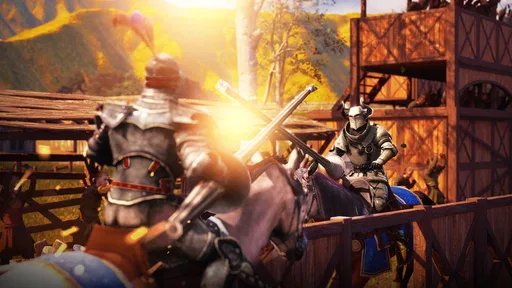
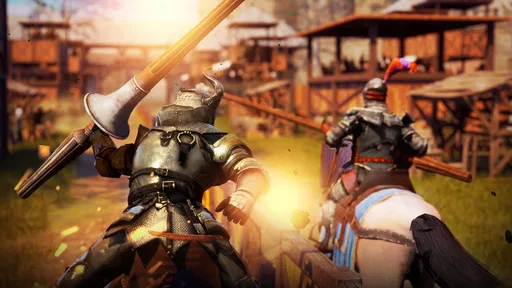
The battles are intense and visually satisfying. Watching your troops clash against enemies in beautifully rendered battlefields gives a real sense of achievement. It's not just about brute force; sometimes a well-timed alliance or diplomatic move can turn the tide in your favor. It’s all about finding that sweet spot between aggression and diplomacy.
Making time for a persistent strategy game
For an everyday routine, I would treat this as a game to check during a spare moment, not something I need to keep open for a long stretch. For instance, I might look in during a break, choose one clear development goal, review what I need to do next, and leave the game until I have time to make another decision. That approach suits the strategic rhythm better than logging in repeatedly without knowing what I want to accomplish.
The trade-off is that a realm-building game can ask for continued attention over time. If I want a complete match with a clear ending in one sitting, a compact turn-based strategy game or a single-player campaign may fit better. Here, the attraction is the sense of building toward a larger position, while the cost is that progress and competition can feel less tidy and immediate.
Community and Alliances
One of the standout features of this game is its strong community aspect. Forming alliances is not just encouraged; it's essential. You’ll be joining forces with players from around the world, which adds a rich social dimension to the game. Collaborating with others to take down a common enemy or coordinating attacks adds layers of excitement and unpredictability.
Plus, the in-game chat and forums are lively places. Whether you’re strategizing with allies or trash-talking foes, it’s a lively environment that keeps you engaged. The camaraderie and occasional rivalries make it feel like you’re part of a living, breathing community.
Alliances are a commitment, not just a bonus
Social play is a meaningful part of the experience, so I would choose an alliance with the same care I would use when choosing a play style. Coordination can make conflict feel more purposeful, but it also means that other people’s plans and timing may shape my own. Someone who likes shared goals and conversation may find that energizing; someone who wants to play entirely at their own pace may find the group element less comfortable.
My practical advice is to decide what kind of involvement I actually want before treating alliance activity as an obligation. I can enjoy strategy without turning every spare moment into a response to other players. If the chat or rivalry starts to feel like pressure rather than fun, stepping back from that social intensity is a sensible way to judge whether the game still fits.
Graphics and Immersion
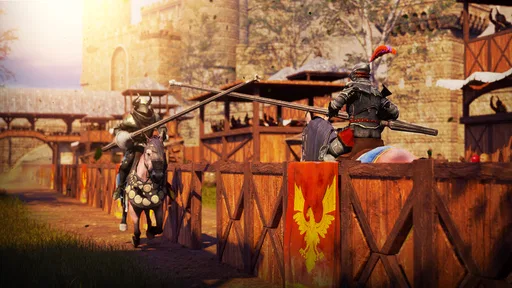
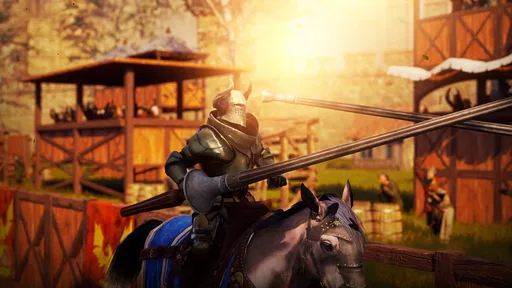
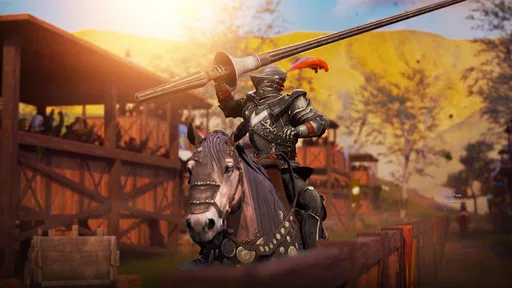
Visually, the game is a treat. The developers have done an amazing job with the graphics, creating a world that feels alive. From the intricate details of your city to the expansive battlefields, everything is crafted to immerse you in the medieval setting. The sound design complements this, with a soundtrack that sets the tone perfectly, whether you're building peacefully or in the midst of a heated battle.
The user interface is intuitive, making it easy to navigate through the game’s many features. Even as a new player, I found the learning curve to be gentle, with plenty of tutorials and guides to help you get started. This makes it accessible without sacrificing depth for seasoned strategists.
Who is likely to get the most from it?
I would recommend it most to players who enjoy managing several connected priorities and do not mind that the payoff develops over time. The choice between King, Tsar, and Sultan gives the opening decisions a personal angle, while the blend of city growth, military preparation, and alliance play gives different kinds of strategists a reason to stay engaged. A player who likes to plan, compare options, and adjust course after seeing how events unfold has more to work with here than someone looking only for quick action.
It is less suited to anyone who wants a purely solo experience, dislikes social competition, or would rather avoid games with optional purchases altogether. The game is rated Everyone 10+, and it has an average rating of 4.0 from around 362,000 ratings, but neither figure can decide whether its pace will suit you. It has been installed over 10 million times, which shows a broad audience, yet I would still judge it by whether its ongoing strategy loop feels satisfying to me.
How it compares with other strategy games
Compared with a compact tactics game, where the main challenge is often solving a fixed battle, this one leans more on the relationship between developing a realm and competing with other players. Compared with a city-building game focused mainly on peaceful expansion, warfare and alliances give the growth a more contested purpose. That combination is its clearest draw, but it also means it is not the best choice if I want a neat, finite campaign or a strategy game that stays private and self-contained.
Before settling in, I would ask myself three simple questions: Do I enjoy planning progress across multiple visits? Am I comfortable with other players being part of the experience? Can I enjoy a free game while keeping purchases optional? If the answers are yes, the game has a good case to make. If I want a short session with a definite finish, I would look for a more contained alternative instead.
Final Thoughts
All in all, March of Empires: War Games offers a rich, engaging experience for fans of strategy games. It combines city-building, tactical warfare, and community interaction in a way that keeps you coming back for more. Whether you're a lone wolf or a team player, there’s something here to satisfy your strategic cravings.
If you haven't yet stepped into the world of March of Empires, now’s the time. Build your empire, forge alliances, and let the battles begin. Just remember to keep your wits about you; in this game, strategy is everything!
Pros
- Engaging medieval strategy gameplay.
- Vast world map with diverse territories.
- Regular updates enhance features.
- Strong community and alliances.
- Challenging quests and events.
Cons
- Requires constant internet connection.
- In-app purchases can be pricey.
- Resource management is time-consuming.
- Learning curve for new players.
- Occasional server lag issues.
FAQs for March of Empires: War Games
What is the primary objective of March of Empires: War Games?
March of Empires: War Games is a strategy-based game where players aim to build and expand their empire. The primary objective is to conquer territories, manage resources, and form alliances to dominate the game world. Players can choose different factions, each with unique strengths, to tailor their strategic approach.
Is March of Empires: War Games free to play?
Yes, March of Empires: War Games is free to download and play. However, it offers in-app purchases for players who wish to enhance their gaming experience. These purchases can include resources, special items, or exclusive content to speed up progression and gain competitive advantages.
What are the system requirements for March of Empires: War Games?
To run March of Empires: War Games smoothly, Android users need at least Android 4.4, while iOS users should have iOS 9.0 or later. A stable internet connection is essential for optimal gameplay experience. It's also recommended to have a device with sufficient storage and RAM to handle the game's graphics and updates.
How does multiplayer interaction work in March of Empires: War Games?
In March of Empires: War Games, players can engage in multiplayer interactions by forming alliances with other players. This feature allows for cooperative gameplay, where members can support each other in battles and resource management. Players can also compete in PvP battles to test their strategies against opponents worldwide.
Are there any tips for beginners in March of Empires: War Games?
Beginners in March of Empires: War Games should focus on building a strong economy by managing resources efficiently. Prioritize upgrading buildings and training troops to defend your empire. Joining an alliance early on can provide valuable support and resources. Additionally, regularly participating in events can yield significant rewards to boost your progress.


